Grounds Maintenance in Brevard County: Best Practices
Facilities Management, Grounds Maintenance, Brevard County FL
Grounds Maintenance Best Practices in Brevard County — And Why Certified Technicians Matter
Well‑maintained grounds do more than look attractive. In Brevard County’s coastal, subtropical climate, proper care protects property value, public safety, and the surrounding environment. For businesses, municipalities, and agencies, partnering with certified technicians—such as the team at RUSH Facilities—helps ensure that landscapes are managed correctly and in compliance with local expectations and regulations.
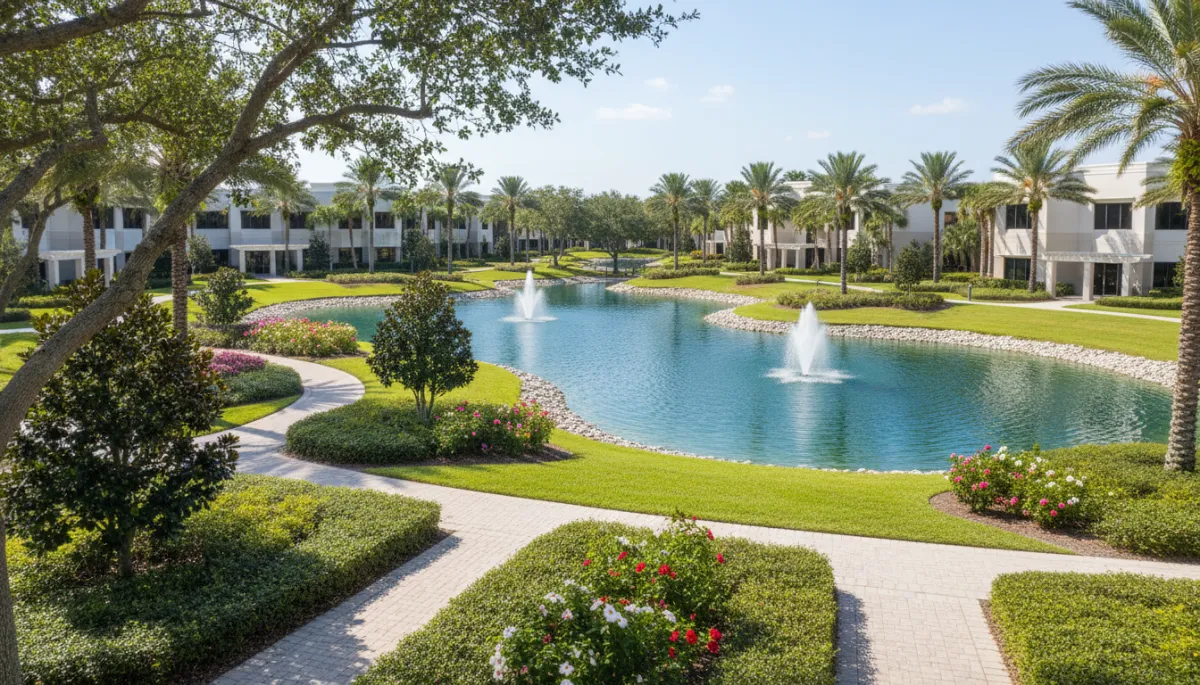
Healthy Grounds, Safer Properties
Professional maintenance that protects your landscape investment
Aquatic Vegetation Management: Protecting Ponds and Stormwater Systems
Retention ponds, canals, and drainage swales are common across Brevard County. They are not just aesthetic features; they are critical parts of stormwater systems. Proper aquatic management of vegetation keeps these systems functioning and reduces flooding, erosion, and mosquito breeding. Uncontrolled growth of invasive plants like hydrilla or water hyacinth can choke waterways, block out sunlight, and deplete oxygen, stressing fish and other aquatic life.
Certified technicians understand which plants should be preserved for shoreline stability and which should be controlled. They use targeted treatment plans—often combining mechanical removal, selective herbicides, and buffer plantings—to maintain healthy water bodies without harming surrounding turf or landscaping. For commercial properties and public agencies, this level of expertise helps avoid costly drainage failures and environmental complaints. To explore aquatic vegetation management options for your site, visit RUSH Facilities online.
Timing Tree Trimming for Health and Safety
In Brevard County, trees such as live oaks, palms, and ornamental species add shade and character to properties—but they also face hurricanes, salt exposure, and intense sun. Knowing when to trim certain trees is essential. Over‑pruning at the wrong time can weaken trees, while neglected limbs can create hazards during storms or obstruct signage and lighting in commercial areas.
Palms are best pruned when fronds are brown or hanging, avoiding aggressive “hurricane cuts” that stress the tree.
Many shade trees benefit from structural pruning during cooler, drier months to prepare for summer storms.
Trimming near buildings, parking lots, and walkways should consider clearance, line‑of‑sight, and pedestrian safety.
Certified arbor and grounds professionals are trained to balance appearance with structural integrity, reducing risk while preserving canopy and long‑term tree health.
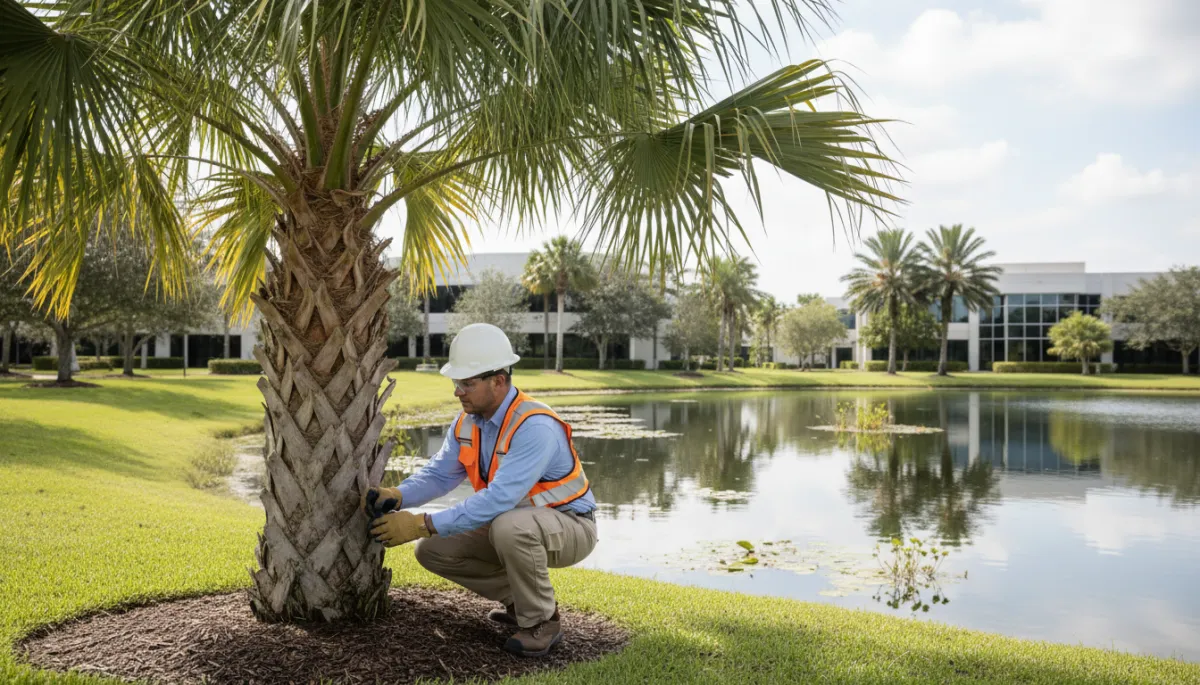
Regular inspections help identify risks early and guide safe, strategic maintenance.
Detecting Landscape Diseases Before They Spread
Warm, humid conditions and sandy soils make Brevard County landscapes vulnerable to turf, shrub, and tree diseases. Early detection is one of the most effective ways to protect your investment. Warning signs include yellowing or thinning turf, spots or streaks on leaves, cankers on trunks, unusual wilting, or sudden branch dieback. In palms, for example, a drooping spear leaf or discolored crown can indicate serious issues that progress quickly.
Certified technicians are trained to distinguish between disease, insect damage, nutrient deficiencies, and irrigation problems. This diagnostic ability is important; misidentifying the cause often leads to wasted treatments and continued decline. When problems are caught early, targeted interventions are usually less disruptive and more cost‑effective.
Control Procedures to Limit Disease Spread
Once a disease is present, control procedures aim to stop or slow its spread. Best practices often include:
Sanitizing tools and equipment between properties and between infected and healthy plants.
Removing and properly disposing of heavily infected plant material to reduce sources of spores or bacteria.
Adjusting irrigation schedules to reduce leaf wetness, standing water, and root stress.
Applying fungicides or other treatments only when appropriate, following label directions and local guidelines.
In a county bordered by sensitive coastal ecosystems, these measures also help prevent off‑site impacts and maintain compliance with environmental standards.
Why Work With Certified Professionals Like RUSH Facilities
For businesses and public agencies, grounds maintenance is not just a cosmetic task; it is a responsibility tied to safety, reputation, and regulatory compliance. Certified technicians bring training in plant health, aquatic management, disease control, and safe equipment use. They document work, follow consistent schedules, and design programs tailored to Brevard County’s specific climate and soil conditions.
RUSH Facilities provides this level of professional support, helping property managers, HOAs, schools, and government agencies keep landscapes healthy and functional year‑round. If you oversee a site in Brevard County and want to strengthen your grounds program—from ponds and trees to turf and ornamental beds—consider partnering with a qualified team rather than relying on ad‑hoc service. You can learn more or request a consultation anytime at www.rushfacilites.com.
To discuss your property’s needs or schedule an evaluation, contact RUSH Facilities through their website. A brief site walk‑through with certified technicians can identify priorities, outline practical improvements, and help you plan a maintenance strategy that protects your landscape and your organization’s investment over the long term.
📌 Key Takeaway: Ready to improve the health and safety of your Brevard County property? Visit rushfacilites.com to request a site walk‑through, schedule routine grounds maintenance, or explore aquatic vegetation management services tailored to your needs.
If you’re comparing providers or planning next year’s budget, you can also submit a service inquiry through rushfacilites.com to receive a customized maintenance proposal that aligns with your property’s priorities and compliance requirements.